Gone, then back
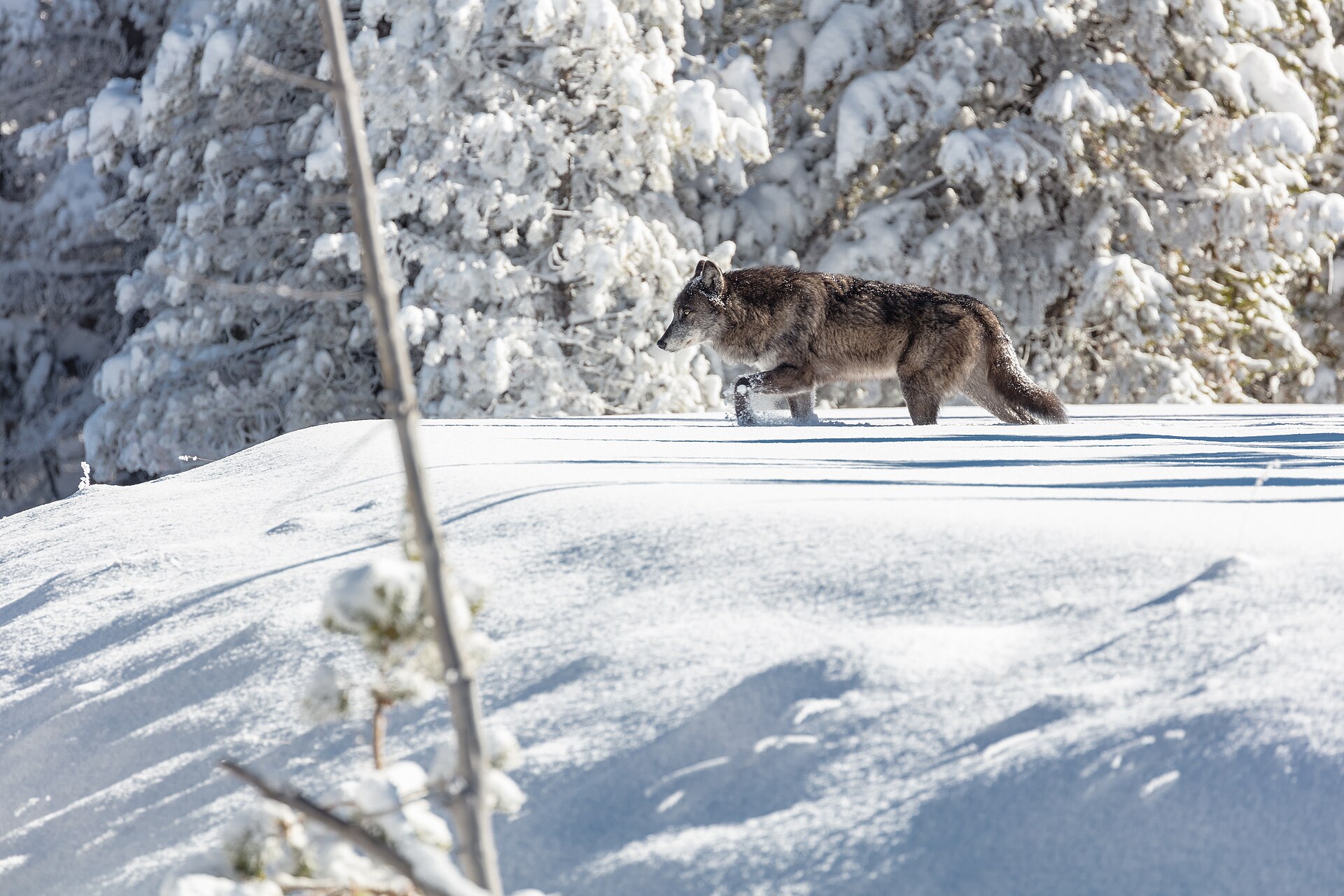
By the 1920s, government trapping and poisoning programs had removed wolves from Yellowstone and most of the Northern Rockies.
With no predator to keep them moving, elk settled into the valleys and stream bottoms and stayed there. They browsed young aspen, willow and cottonwood down to the ground year after year. Researchers using tree rings later found that almost no new aspen grew into mature trees in Yellowstone after the wolves disappeared.
In 1995 and 1996, wildlife officials released wolves captured in Canada into Yellowstone and central Idaho. Idaho is now home to one of the largest wolf populations in the lower 48, ranging through the Frank Church, the Sawtooths and the forests of the Panhandle.
The ripple effect
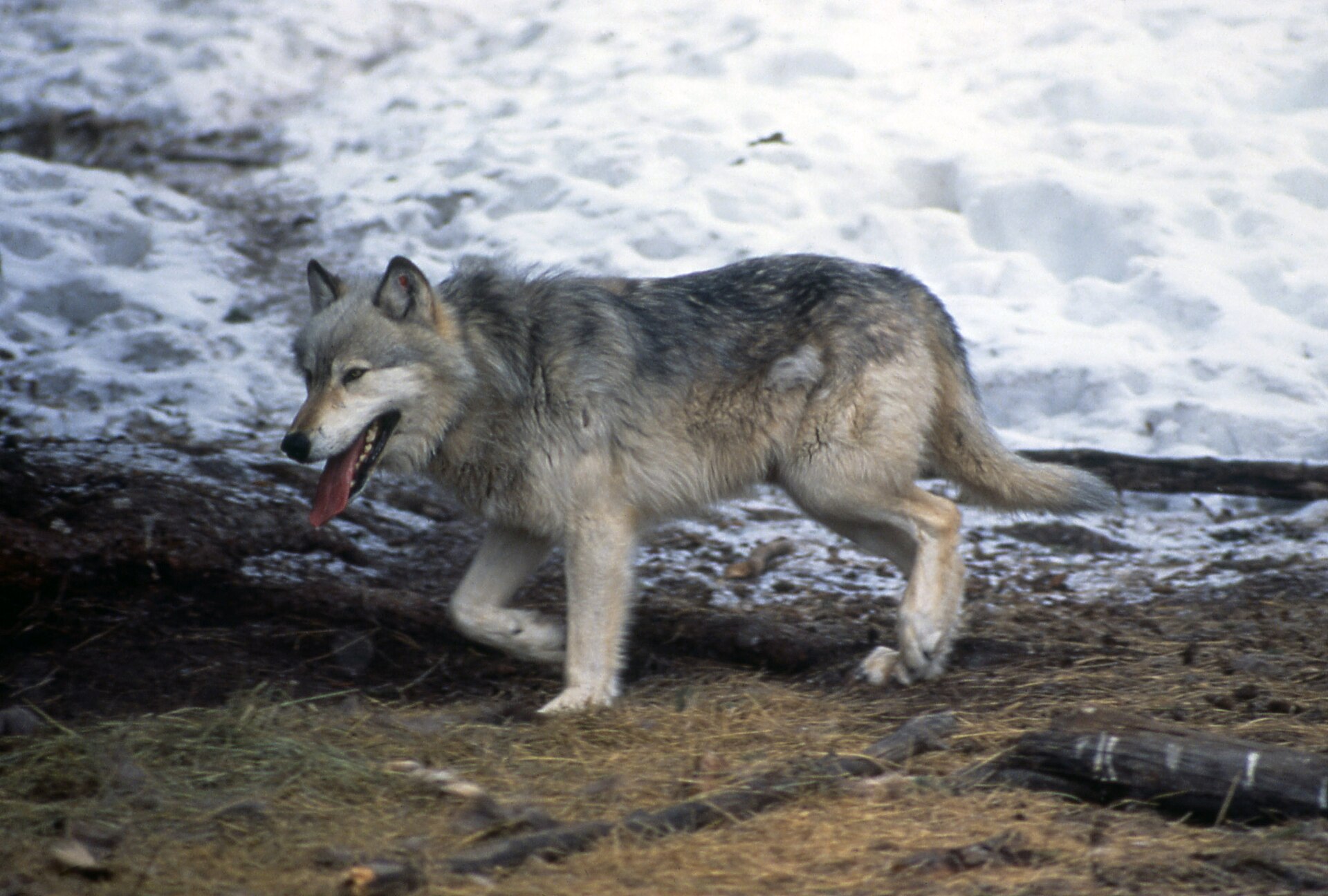
Ecologists call it a trophic cascade: a change at the top of the food chain that travels all the way down to the soil and water.
-
Wolves return
Packs hunt elk and deer, most often catching the old, the young and the sick.
-
Elk keep moving
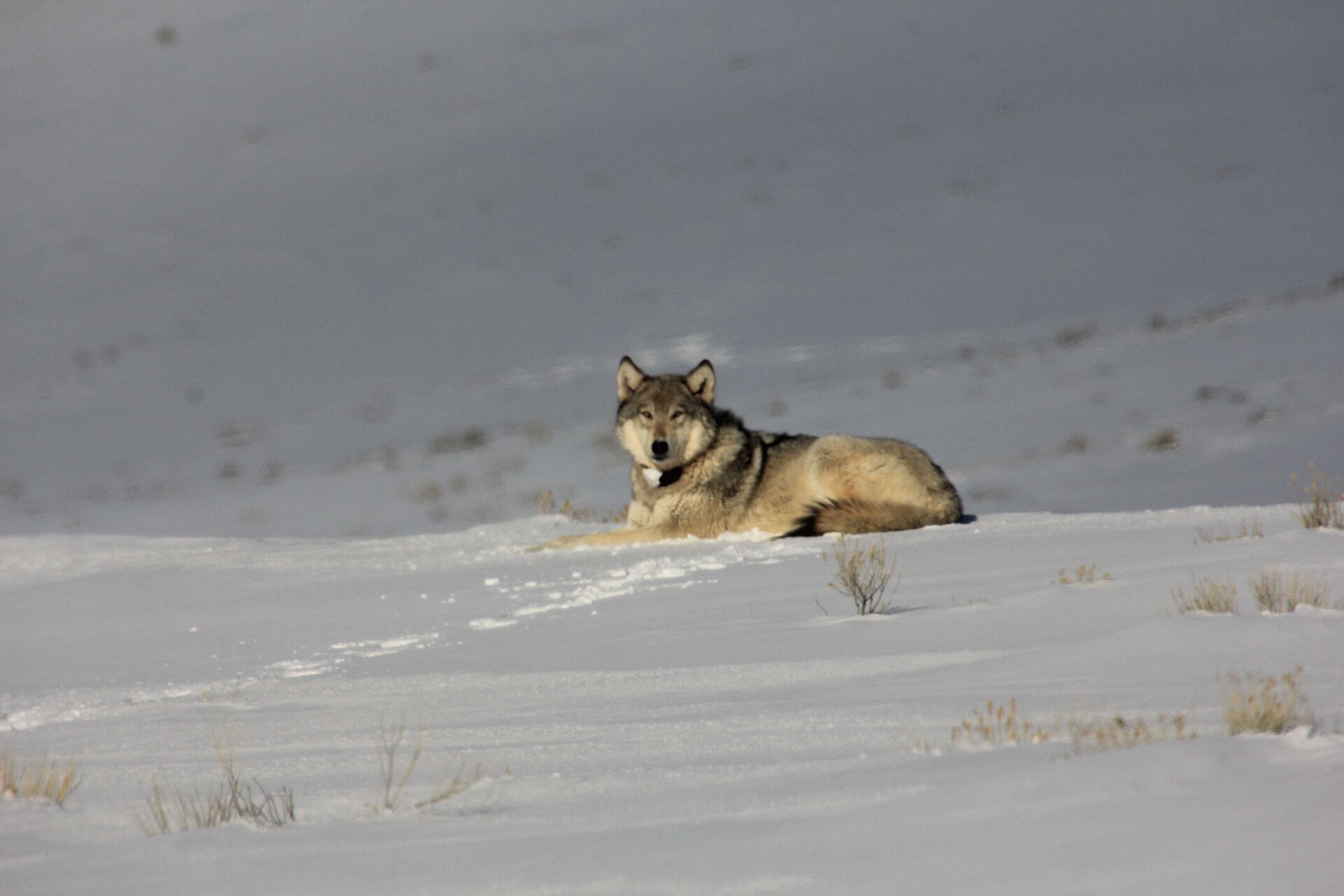
Elk numbers drop and the herds avoid lingering in risky spots like narrow stream bottoms.
-
Trees grow back
Aspen, willow and cottonwood saplings finally grow tall enough to escape browsing.
-
Beavers return
More willow means food and building material for beaver colonies, which dam streams and raise water tables.
-
Life fills in
Shaded, stable streams hold more fish and amphibians, and songbirds and bears feed on the new growth and berries.
Scientists still debate how much of Yellowstone's recovery is due to wolves alone. Bears, cougars, hunters, drought and a growing bison herd all play a part, and aspen has come back strongly in only some places. But researchers who have studied the park for decades agree that wolves were a key piece that had been missing.
Why wolves are worth supporting
Wolves aren't just a symbol of wild country. They do real work on the land.
Healthier deer and elk herds
Wolves tend to take weak and sick animals, which can slow the spread of disease and leave stronger animals to breed. In the hard winters of the 1980s and 90s, before wolves came back, large numbers of Yellowstone elk starved after overgrazing their range.
Food for the whole neighborhood
A wolf kill feeds grizzly and black bears, eagles, ravens, magpies, foxes and even beetles. Scavengers find a steadier supply of food through the winter and into spring.
Cleaner, cooler streams
Taller willow and cottonwood shade the water, hold banks in place and slow erosion, which helps trout and other fish that need cold, clear streams.
Balance among predators
Wolves push back coyote numbers. In Yellowstone, coyotes dropped by about half after wolves returned, easing pressure on pronghorn fawns, rodents and ground-nesting birds.
Wild places worth visiting
Yellowstone's Lamar Valley is one of the best places in the world to see wild wolves, and wolf watchers bring visitors to nearby towns in every season.
A piece of our heritage
Wolves lived across nearly all of North America before people pushed them out. Their recovery is one of the clearest successes of the Endangered Species Act.
Living alongside wolves
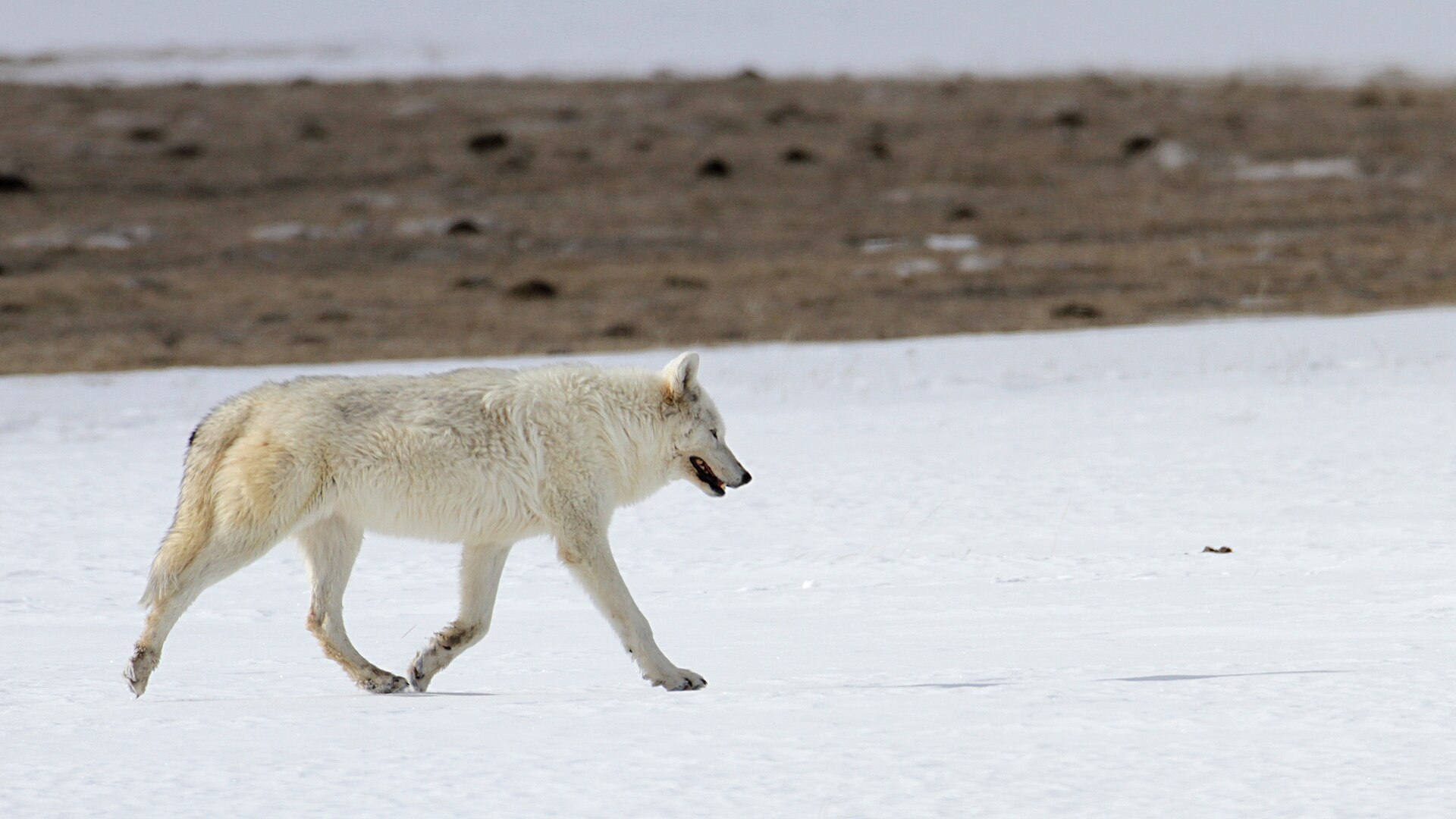
Supporting wolves doesn't mean ignoring the people who raise livestock in wolf country. Ranchers, conservation groups and wildlife agencies across the West are using practical, non-lethal tools that cut losses for ranchers and keep wolves out of trouble.
- Range riders
- Livestock guard dogs
- Fladry fencing
- Lights and scare devices
- Careful calving and carcass removal
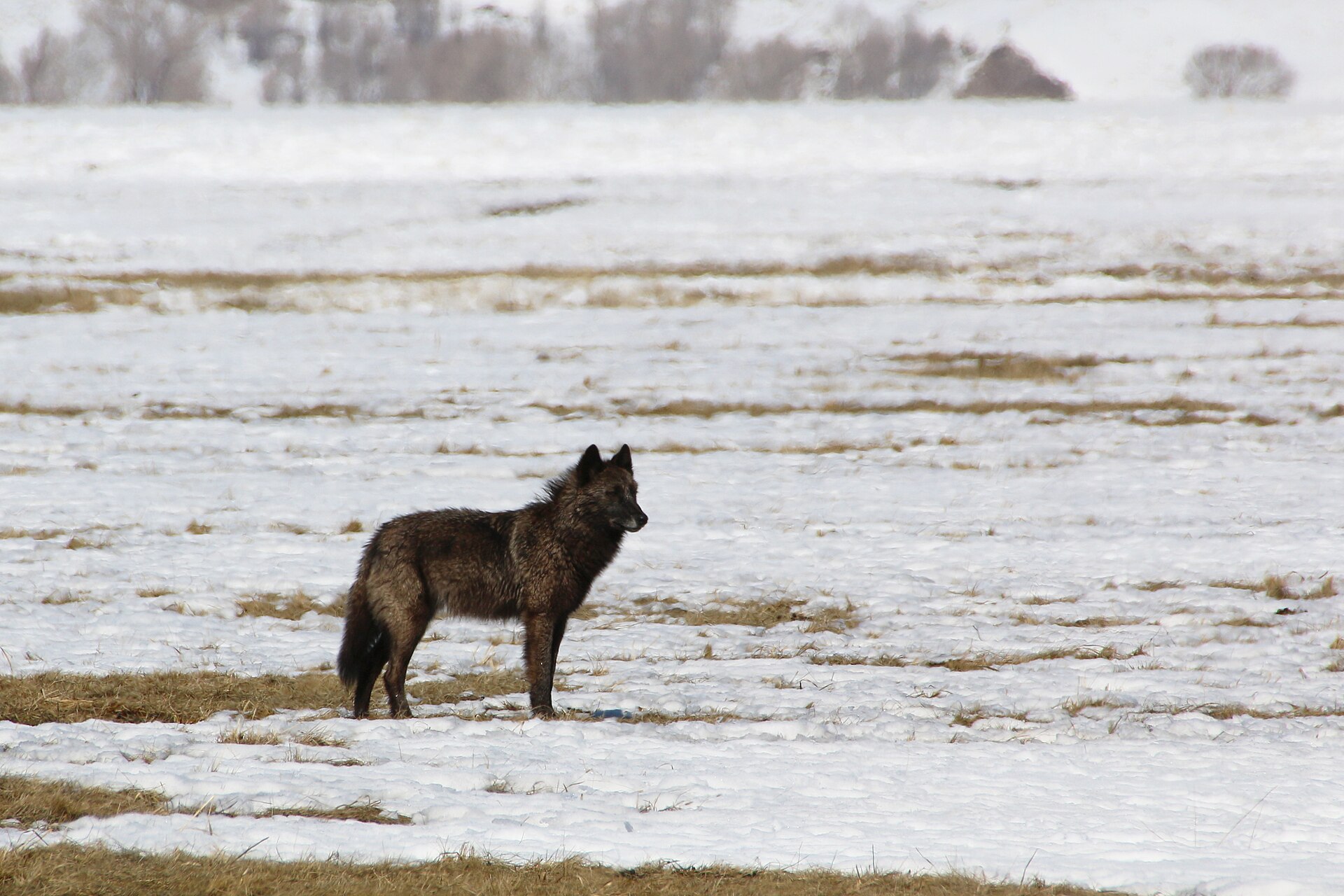
Support wolves
The groups below are 501(c)(3) nonprofits, so your gift is generally tax-deductible. One works right here in Idaho; the other works across the country.
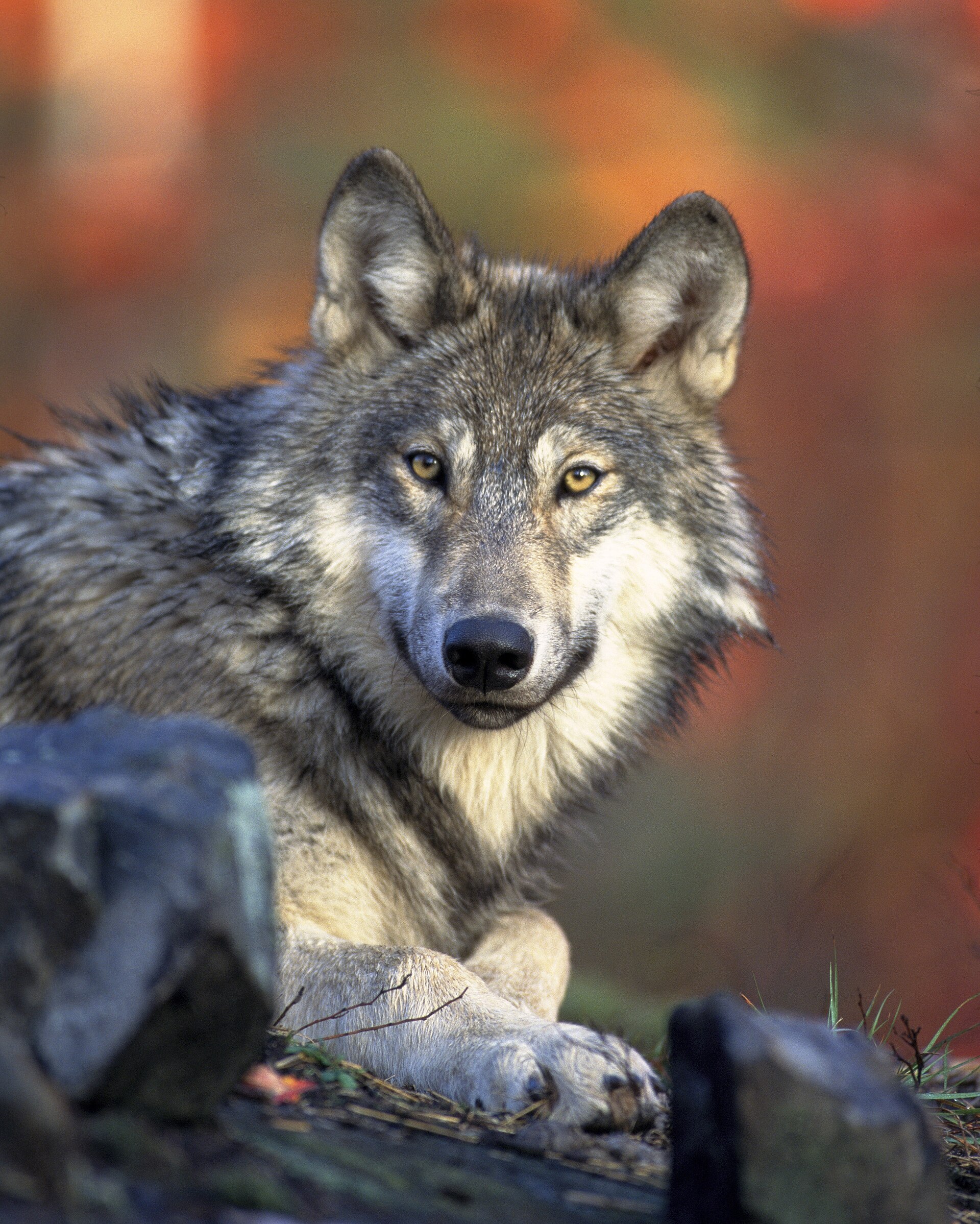
Living with Wolves
Based in Sun Valley, Idaho, Living with Wolves teaches the public about wolves, runs a wolf museum in Ketchum and works on ways for wolves and people to share the land.
Donate to Living with WolvesDefenders of Wildlife
A national group that helps ranchers pay for range riders, guard dogs and fladry, and fights for wolf protections in Congress and the courts.
Give to protect gray wolvesYou can also help without donating: find out who to contact about wolf policy in your state, and share accurate information about wolves with friends and neighbors.